Conch Piercing
£25
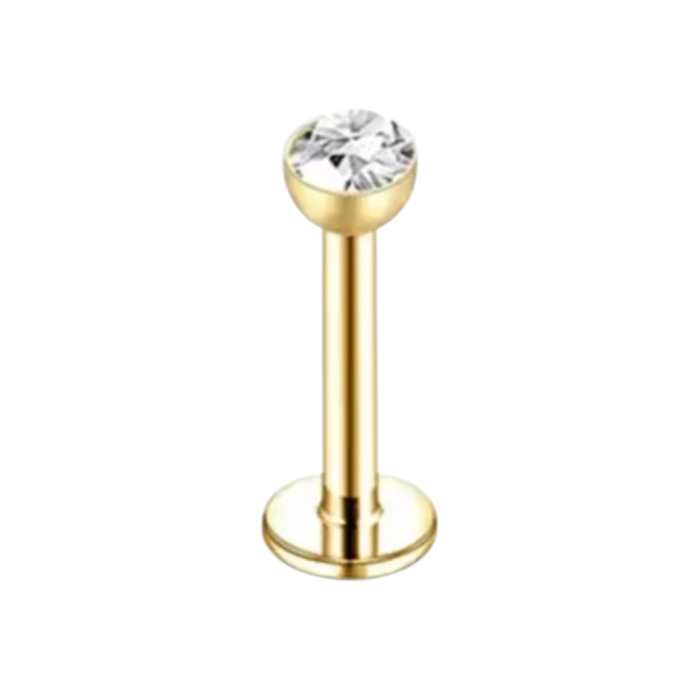
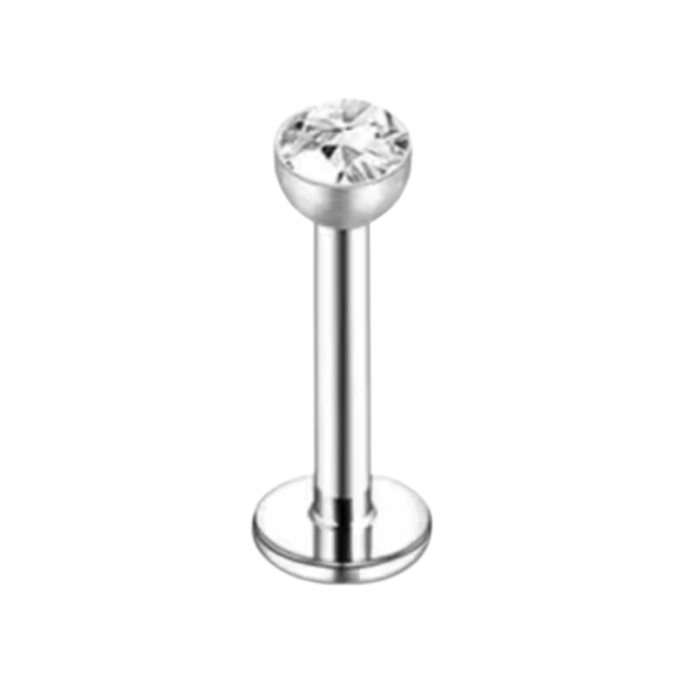
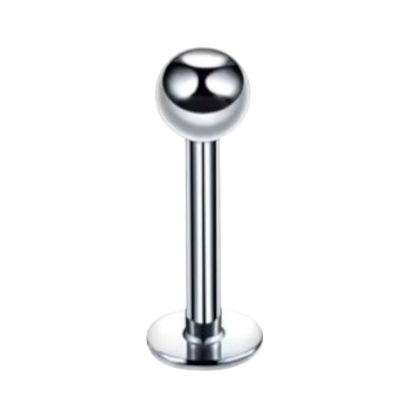
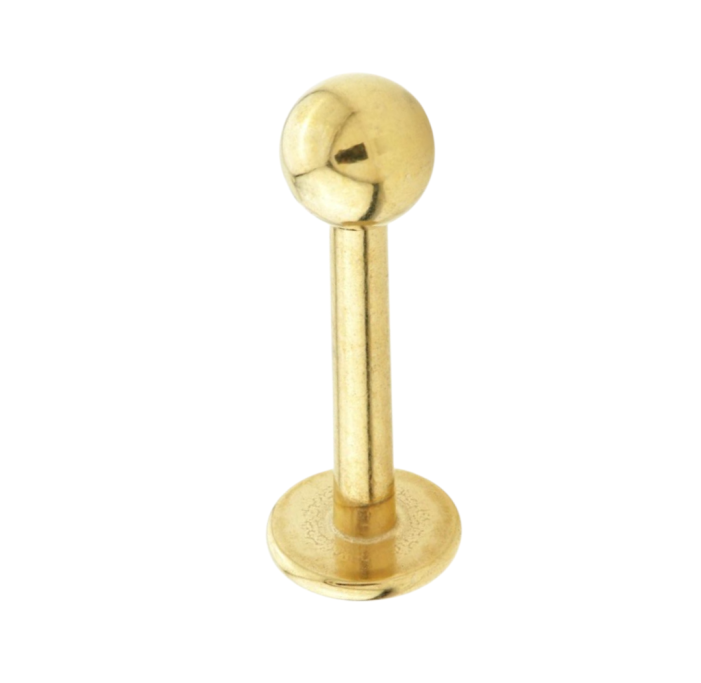
Conch piercing takes its origins from other cultures, including the Mangebetu Tribe in Africa and a sect of Hindu Yogis from India. These tribes used conch piercings as decorative sites for ivory and religious symbolism. It is nowadays becoming a more popular choice of piercing, as it offers an alternative position of piercing on the ear. The conch piercing goes through the back of the ear in the 'shell' area, named after its resemblance to the conch shell. Conch piercings can either be done in the inner or outer section of the ear, and can be decorated with piercing jewellery such as barbells, labret or BCRs. Labrets are advised for the initial healing period.
Will it hurt? When it comes to piercing it is difficult to classify the amount of pain, as pain depends on the experience of each individual. The conch piercing is deemed quite painful as the cartilage shell of the ear is being pierced. However, different people experience varying levels of pain so there is no clear way of describing whether or not the piercing procedure will hurt. There may be some soreness after the procedure, although this is to be expected.
Healing: It usually takes 6-9 months for a conch piercing to heal, although this again differs between every individual. You should always avoid putting the fresh piercing under any stress or pressure.
When caring for your conch piercing, ensure that you:
- Refrain from touching the piercing to allow the tender tissue to heal, and to reduce the risk of inflammation and pain.
- Don't use earphones/buds during healing. This is possible later when the jewellery is downsized.
- Sleep on your back to reduce pressure on your ears.
- Avoid applying lotions, moisturisers and perfumes to the area.
- Avoid swimming until after your piercing has healed.
- Try to keep your hair tied up and away from the piercing wherever possible during initial healing.
- Clean both entry and exit holes of your piercing twice a day.
- You should not remove your jewellery during the healing process. The jewellery must be kept in at all times or you risk the piercing closing over.
- Regularly remove any build up of ear wax from the opening of the ear canal
You can dramatically reduce the risk of any problems by following this advice.
Jewellery: A conch piercing can accommodate a wide range of jewellery once healed. Many popular jewellery choices include, labrets, barbells, ball closure rings or CBRs (captive bead rings). When you are first pierced you will be pierced with titanium jewellery, this jewellery is a lot bigger than needed, this is to accommodate any swelling you may encounter post piercing, however rare it happens, it is always best to play it safe to ensure a stunning healthy healed piercing.
Book your appointment here: www.bookapiercing.co.uk
Read aftercare info here: www.ljaze.co.uk/aftercare
Read downsizing info here: www.ljaze.co.uk/downsizing
Read healing info here: www.ljaze.co.uk/healing
Initial piercing jewellery options for conch piercings are flat-backed labrets, plain silver or gold titanium is included in the price. Crystal labrets are £5 per piece extra.